Koala Cozy Christmas: A Designer's Embroidery Review
Every year, as the holiday season approaches, my workbench fills with designs that promise cozy charm. The client requests start coming in for personalized gifts, boutique merchandise, and custom apparel that needs to feel festive without being overly traditional. When I first opened the Koala Cozy Christmas embroidery file, I immediately saw its potential to fill that specific niche. It’s not just another snowflake or reindeer; it’s a gentle, wintery illustration with a personality that stands out.
The Warm First Impression
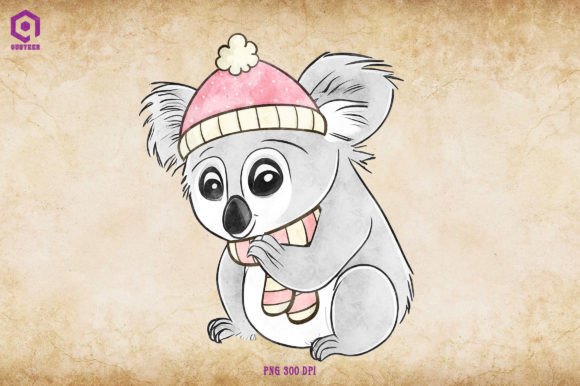
This design creates a mood of quiet, joyful winter rather than loud Christmas cheer. The koala itself is the central focus, rendered in a style that feels illustrative and soft. The layout is balanced, with decorative elements that frame the animal without overwhelming it. For an embroidery designer, this is a crucial detail. It means the design will translate well into stitches without losing its core character. The level of detail suggests it will work beautifully as a medium-sized feature on apparel or home goods, where the cozy Christmas animal theme can be appreciated fully. It feels inherently giftable—a design you’d stitch for a friend’s new baby, a family member’s kitchen towel, or as a limited-edition item for your small shop.
Where This Design Shines in Real Projects
I mentally placed this design across a range of my typical projects. For a custom embroidered sweatshirt or hoodie, it would be perfect. The cozy theme matches the garment’s purpose, and the design’s scale would allow it to be a statement piece on the chest or sleeve without being too dense. On a tote bag, it would add a seasonal touch that’s whimsical and approachable, ideal for a craft fair product or Etsy listing.
I particularly liked the idea of using it for baby embroidery or nursery decor. The koala’s gentle expression and the non-traditional holiday vibe make it a lovely choice for a personalized baby blanket or a keepsake pillow cover. It avoids the typical “Santa” intensity, offering a softer holiday option that parents often appreciate. As an embroidered patch, it would be charming, easily applied to a cap or apron for a festive touch. For home goods like pillow covers or tea towels, it brings a handmade presentation that elevates a simple item into a special holiday gift.
From a commercial perspective, this digital embroidery file acts as a versatile design asset. It could be the centerpiece of a holiday line for a small business selling handmade products, or used for personalized gifts offered by an apparel decorator. Its illustrative nature means it also works well in printable mockups for your online shop, helping customers visualize the finished product.
Practical Considerations for Stitching Success
While the design’s aesthetic is strong, its practical performance on the machine is what matters. Here’s where my experience as a product reviewer kicks in. The design appears to have areas of both fill stitch and potential running stitch details. This mix is excellent for visual texture but requires attention to stitch density. On thinner fabrics like standard t-shirt material, a high-density fill in larger areas might cause puckering. My strong advice is always to test the design on scrap fabric first, using the same stabilizer and fabric type you plan for the final project.
For small hoop sizes, you’ll need to check the minimum recommended size. If the design includes tiny lettering or very detailed corners, reducing it too much might lose clarity. It’s also wise to check thread color contrast against your fabric background. The original graphic likely uses specific color separations; on dark fabric, you may need to adjust color choices or use a lighter backing to ensure the koala’s features pop.
On textured or stretchy fabric, proper stabilizer is non-negotiable to maintain the design’s shape. For curved surfaces like caps, the design’s layout should be assessed—a very wide, rectangular design might not fit the curve well. Always inspect small details in your software preview before hooping.
Scenarios Where You Should Proceed Carefully
Not every design is universal. For Koala Cozy Christmas, I would use it cautiously on items that require frequent, harsh washing, like everyday kitchen towels, unless you’ve tested the stitch integrity. Very small-scale applications, like on a baby’s tiny sock, might compress the details too much. Also, if your project involves layered garments with complex seams underneath the embroidery area, the design’s footprint needs to be considered to avoid stitching over difficult topography.
These aren’t criticisms of the design itself, but rather standard professional checks that ensure customer trust and product value remain high. A poorly executed embroidery, even with a lovely file, hurts your brand consistency and professionalism.
The Impact on Your Business and Craft
Using a design like this effectively can significantly boost your project’s appeal. Its unique theme increases recognition—it’s not something you’ll see on every shelf. For buyer engagement in your Etsy shop or at a craft fair, it offers a story: a cozy koala for a cozy Christmas. That narrative can be a simple but powerful selling point.
The handmade presentation feels authentic because the design isn’t overly commercial or slick; it has an artful quality that resonates with people looking for genuine handmade products. This directly affects giftability. When a client asks me for a holiday gift for a nature-loving friend or a young family, this design would be a top contender.
For digital product sellers, offering this as a completed, high-quality embroidery file in your store adds a seasonal asset that meets a specific demand. Before doing so, a critical step is to confirm licensing before selling finished items or digital products. You must know whether the file is intended for personal use only, or if commercial use is allowed. This is a fundamental part of operating a reputable craft business.
Final Designer Notes Before You Hoop
My process for any new design, including this one, involves a few key steps. First, I run it through my software to preview the stitch sequence. I compare light and dark fabric backgrounds virtually to plan my thread palette. I often test it in black and white mockups to see how the silhouette holds up, which is great for understanding its impact on different materials.
I determine the appropriate hoop size for my intended product—for a tote bag, I might go larger; for a child’s hat, smaller. I always verify that my machine can handle the file format provided. And most importantly, I clarify whether the design works for both my personal and commercial projects. Only after these checks do I load the first bobbin. This disciplined approach turns a promising graphic like Koala Cozy Christmas from a digital illustration into a stunning, reliable, and professional finished product that truly embodies that cozy Christmas spirit.