A Designer's Honest Review of Christmas Greeting for Embroidery
When I sit down with a new embroidery design, my first question is always: “What will this look like when it’s stitched?” I’m not just looking at the screen; I’m picturing it on fabric, in hoop, and eventually, in a customer’s hands. Today, I’m putting the Christmas Greeting design through that exact lens.
The Immediate Mood and Fit
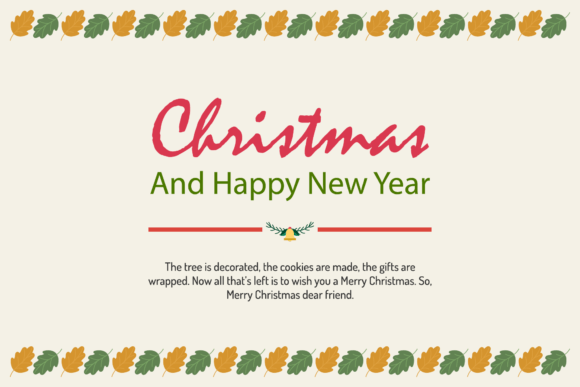
Opening Christmas Greeting, the first impression is clean and classic. It doesn’t shout; it welcomes. That’s a crucial distinction for a holiday design meant for gifts and heartfelt products. The layout feels balanced, and the level of detail appears manageable—not overly dense, which is a relief for projects on textured fabrics like sweatshirts or tote bags. Visually, it has a friendly personality, less about flashy ornamentation and more about warm communication. I immediately thought it belonged on a cozy pillow cover for a living room or a neatly embroidered kitchen towel, something that adds charm without overwhelming the piece.
Where This Design Thrives in Real Projects
Let’s talk about application. I envisioned a specific scenario: preparing a batch of custom embroidered tote bags for a small holiday market. Using Christmas Greeting here would be a strong choice. The design’s clarity would translate well into stitch, making a readable, attractive statement on the bag’s canvas. For a craft business or Etsy seller, this kind of reliable, appealing graphic is a solid design asset.
It naturally fits a range of embroidery projects:
- Custom apparel like sweatshirts and t-shirts, where a medium-scale design sits well on the chest or sleeve.
- Home decor items such as pillow covers and blanket corners, adding a subtle holiday touch.
- Personalized gifts like tea towels or aprons, where the greeting feels handmade and special.
- Small shop merchandise like embroidered patches, which could be applied to caps or bags.
- Even for baby embroidery on a holiday-themed romper, the design’s gentle aesthetic would work, provided it’s scaled appropriately.
The inclusion of multiple file formats—AI, EPS, SVG—is a practical boon. It allows for easy scaling and integration into digital product previews or printable mockups for your online listings, which is invaluable for digital product sellers and apparel decorators planning their workflows.
Points of Practical Caution for Stitching
No design is universally perfect, and an honest review means noting where attention is needed. With Christmas Greeting, the overall shape looks forgiving, but any design with lettering or distinct elements demands care.
You should be mindful on:
- Very small hoop sizes: If you miniaturize it drastically for a cap’s curved surface, tiny details might lose definition.
- Stretchy or thin fabrics: Always use the proper stabilizer to prevent puckering, especially if any areas have potential for higher stitch density.
- Dark fabric backgrounds: This is universal advice. Test your thread color contrast first. A bright white or festive red might pop beautifully, but you need to see it stitched to be sure.
- Products destined for frequent washing, like kitchen linens. Ensure your stitch settings are secure to maintain that handmade presentation over time.
How It Impacts Your Product's Appeal and Value
From a business and craft perspective, using a design like this effectively boosts several factors. The visual appeal is professional and festive, which builds customer trust. When a finished product looks clean and intentional, it reinforces your brand’s consistency. For holiday embroidery intended as gifts, the giftability is high—it feels personal but not overly casual. That recognition of a classic Christmas greeting can create immediate buyer engagement at a craft fair or in an Etsy listing.
Essential Designer Notes Before You Hoop
Before committing this to a client project or your own craft business items, run through these practical steps. They save time, materials, and disappointment.
- Test on scrap fabric first. Use the same material you plan for the final project. This reveals how the fabric texture interacts with the design.
- Check thread color contrast against both light and dark backgrounds. Do a quick stitch-out of a small section.
- Review the design in black and white mockups to truly see the form and detail separation without color influencing you.
- Since exact hoop size compatibility and stitch count aren’t specified here, you must confirm these in your embroidery software after importing the file. This is critical for planning your project layout.
- Understand the licensing. Before selling finished items or using the design in commercial embroidery projects, confirm the terms associated with this digital file.
The canvas size of 1920px by 1280px gives you a solid starting dimension, but scaling is where your judgment comes in. See how the lines behave when you enlarge or reduce them for a tote bag versus a delicate baby embroidery item.
The Final Take for Makers and Entrepreneurs
Christmas Greeting stands as a versatile, well-structured graphic for the holiday season. Its strength lies in its adaptability and clear mood. It’s a design that, with proper testing and application, can elevate your handmade products, support your small shop product line, and result in genuinely lovely personalized gifts. Approach it with a professional’s precaution—test, check, confirm—and it will likely become a reliable part of your holiday embroidery project toolkit. In the end, the stitch-out will tell the true story, and for this design, I anticipate that story being one of crisp, cheerful holiday warmth.