Christmas December Background: A Designer's Practical Review
When a new design like the Christmas December Background lands in my library, my first thought isn't about the files—it’s about the fabric. I imagine how it will stitch out on a real project destined for a client’s hands or a shop’s shelves. This particular graphic, with its evocative seasonal mood, immediately suggests a certain warmth and a quiet, celebratory atmosphere. It feels less like a loud declaration and more like a textured backdrop, a canvas for December itself.
The Mood It Stitches Into Your Product
The first impression is key. This design creates a cozy, inclusive holiday mood. The layout and detail level suggest it’s meant to be a foundation, not a focal point crammed with tiny icons. Its visual personality is gentle and scenic, which tells me it belongs on products where the embroidery itself is a gift of ambiance. I pictured it on a linen pillow cover for a holiday home or as a large, centered piece on a premium cotton tote bag—something where the stitching adds texture and the design adds a sense of place.
Where This Background Shines in Real Projects
In practical terms, I evaluate a design by running through my usual project list. For the Christmas December Background, several applications feel natural.
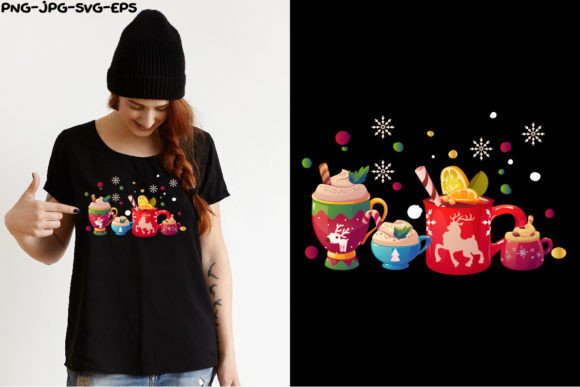
- Custom Apparel: On a high-quality sweatshirt or a simple tee, this would act as a beautiful, all-over background element, perhaps with a personalized name or date overlay in a simpler font. It lifts the garment’s value.
- Home & Gift Items: Embroidered pillow covers, tea towels, or blanket edges are perfect. The design’s illustrative nature makes it feel handmade and special, boosting its giftability.
- Craft Business Products: For Etsy sellers or boutique owners, this graphic embroidered on a canvas tote or an apron creates a consistent, professional holiday collection. It helps with brand consistency during the season.
- Digital Product Previews: For those selling the embroidery file itself, using this design in clean, printable mockups on mock sweatshirts or bags shows potential buyers exactly the mood it creates, driving engagement.
The canvas size noted—1920px by 1280px—is helpful. It indicates a good resolution for scaling to various hoop sizes, from larger home decor items to more moderate apparel placements. Remember, the available file types, like SVG and AI, are crucial for scaling in your embroidery software without losing quality.
Careful Stitching: Where to Pay Extra Attention
Every design has its sweet spots and its caution zones. With an illustrative background like this, detail density is the main watchpoint.
- Small Hoop Sizes: Attempting to cram this entire background onto a small baby cap or a tiny patch might compress the details too much, losing clarity. Select a prominent section instead.
- Texture & Stretch: On very textured fabrics or stretchy knits, the finer background elements could get lost. A robust stabilizer choice is non-negotiable here.
- Dark Fabric Challenges: If the design has many light or fine lines, stitching it on dark fabric requires careful thread color contrast planning. Test on scrap first.
- Washability: For items like kitchen towels or baby clothes that need frequent washing, consider a simpler stitch density or use it as an applique design base to reduce thick fill stitch areas that can wear.
The goal is to preserve the design’s lovely illustrative feel in the finished product, not turn it into a muddy, stiff patch.
How This Design Elevates Your Work & Your Business
From a professional standpoint, using a well-composed graphic like the Christmas December Background affects more than just the stitchout.
It increases the perceived value of your handmade product. A client sees an embroidered scene, not just a logo, on their custom apparel. That builds trust and satisfaction. For creative entrepreneurs, it provides a ready-made, high-quality asset for a holiday line, saving design time while ensuring a polished look. The recognition factor—it’s clearly a December holiday theme—makes it instantly understandable in a craft fair setting or an Etsy listing, speeding up buyer engagement.
Ultimately, it supports professionalism. Your finished product looks intentional and designed, not randomly picked.
A Real Scenario: The Boutique Holiday Tote
Let’s walk through a real case. I’m preparing a limited run of embroidered tote bags for a small boutique’s holiday pop-up. The Christmas December Background is selected for its warm, non-commercial vibe. I’ll scale it to fit the main panel of a natural canvas bag.
My process: I test the scaled file on scrap canvas first. I check the stitch density—are there areas that will become too solid and stiff? I review the small details to ensure they’ll be clear after stitching. I then stitch a sample bag. The result? The background provides a rich, textured base. The boutique owner loves it because it feels exclusive and handmade, not generic. It becomes a signature product for her December sales. This is the practical power of a good design file.
Essential Notes for the Embroidery Designer
Before you run this file to your machine, a few quick, professional habits will save you time and thread.
- Always test on a scrap of your intended fabric first. This reveals true thread color contrast and stitch behavior.
- Check your hoop size against the design’s intended use. Don’t force a large background into a tiny hoop.
- Inspect the small illustrative details in your software. Will they translate well into running stitches or satin stitches?
- Consider creating black-and-white mockups to see the design’s form without color, helpful for understanding its structure.
- Use the proper stabilizer for your fabric. An illustrative background often has varied stitch types that need good support.
- Crucially, confirm the licensing terms for this design. Before selling finished items or digital products using it, understand if it’s cleared for personal and commercial projects. The product description states a guarantee, but specifics matter for your business.
The Christmas December Background is a graphic with clear potential for meaningful holiday projects. Its value lies in how you apply it—with practical consideration for fabric, scale, and end-use. When stitched thoughtfully, it becomes more than an illustration; it becomes the atmosphere of your finished product.