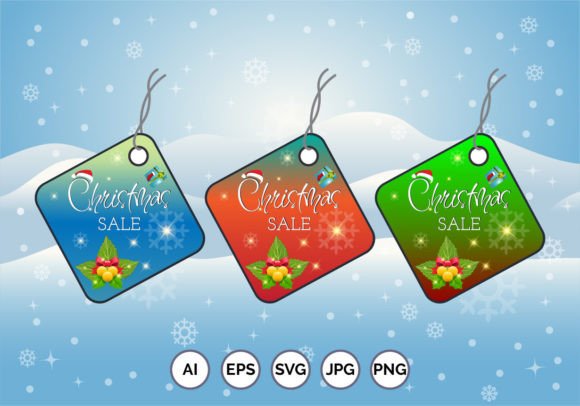
Christmas Texture: A Graphic Designer’s Review for Seasonal Visuals
First Impression: A Cozy, Inviting Foundation for Brand Stories
When I open a new graphic design asset like Christmas Texture, my first thought isn’t just about aesthetics—it’s about communication. This illustration immediately sets a mood: cozy, nostalgic, and warmly festive. It’s not overly loud or childish, which makes it suitable for a range of brand personalities. For a small business owner or content creator, this emotional tone is gold. It can elevate casual branding, lend a handmade feel to product visuals, and provide a polished backdrop for lifestyle content or event promotions without screaming “generic holiday clipart.” The texture feels authentic, like a premium visual element that builds audience trust through its familiar yet refined quality.
Integrating Christmas Texture into a Real Product Launch Campaign
Imagine you’re a product creator launching a limited-edition holiday scent. Your campaign needs consistent visuals across your website, email sequence, and social media. Christmas Texture becomes your secret weapon. For the product label, it provides a subtle decorative border. For the website header, it creates an immersive hero graphic that doesn’t compete with your headline. In email banners, it frames your offer with festive warmth. This is where the provided SVG and AI files shine—they allow seamless scaling and color adjustments to fit your exact brand palette, ensuring visual consistency from packaging design to digital ads.
Where This Design Asset Amplifies Marketing Goals
Stronger first impressions start with visual hierarchy. Placing Christmas Texture as a background or accent helps your main message—the product, the offer—stand out clearly. For audience recognition, using this same texture across your Pinterest pins, Instagram posts, and Facebook ads creates a cohesive thread. That consistency signals professionalism, which improves engagement and makes the campaign more memorable. Whether for merchandise like tote bags and shirts or digital product visuals like lead magnets, the asset supports a clearer, more emotionally connected product presentation.
Practical Applications Across Marketing & Branding Touchpoints
Let’s break down specific uses. In social media graphics, it can fill empty space in a Canva template for a post without looking messy. As a packaging design accent on a card or insert, it adds value without cluttering the necessary information. For editorial design in blog graphics or media kits, it provides a seasonal theme that feels editorial rather than promotional. In commercial marketing materials like posters or stickers, its scalable nature from the SVG file means it prints cleanly at any size, maintaining a professional appearance. This is a versatile creative design for content marketing.
- Hero Graphics & Campaign Headers: Use it as a full-width background to set an immediate festive mood.
- Branded Templates: Integrate it into your social media covers and promotional banner templates for rapid content creation.
- Product Launch Visuals: Frame your new product imagery with this texture on your website and digital ads.
- Content Bundles & Decorative Elements: Sprinkle it across a series of Pinterest pins or a downloadable content kit to unify the package.
Caution Zones: Where to Apply Strategic Restraint
Every powerful design asset requires thoughtful placement. For Christmas Texture, avoid dense information layouts where the texture might fight with text. In small mobile graphics, test readability—the intricate details might become noisy at tiny sizes. If your brand is overly minimal, this element could feel jarring; introduce it subtly as an accent. It’s less suited for formal corporate branding that requires stark, clean lines. Also, on low-contrast backgrounds, the texture might vanish. Most importantly, never let it compete with the main message in text-heavy ads or critical calls-to-action. The goal is support, not dominance.
A Brand Designer’s Checklist Before Deployment
Before using this commercial design in paid campaigns or client work, run these tests. First, overlay it with your brand’s color palette. Does it harmonize? Check its performance in black and white for any potential print scenarios. Place it inside real campaign mockups—a Facebook ad frame, a product label template, a newsletter banner. Preview everything on a mobile screen. Test its readability when scaled down for a sticker or a small web icon. Compare it against competitor visuals to ensure your use stands out. Pair it with your fonts: does it work with a clean sans serif for modern brands, a script font for handmade feels, or a display font for bold statements? Review spacing and balance. And crucially, confirm the commercial licensing terms for use in your business branding and digital product sales.
Why Christmas Texture is a Strategic Asset for Creative Entrepreneurs
For marketers, bloggers, and digital sellers, time is the constraint. This graphic design asset, provided in versatile AI and SVG formats, is a ready-made solution. It bypasses the need to create custom holiday illustrations, allowing you to focus on your campaign copy and strategy. It builds a visual theme quickly, which is essential for small business branding during the busy season. When used thoughtfully, it doesn’t just decorate—it communicates warmth, tradition, and quality, directly influencing audience perception. In a marketplace of loud, generic holiday graphics, a well-applied texture like this can make your brand’s visual content feel intentional, cohesive, and professionally branded. That’s the ultimate goal: attention that attracts without looking messy, building trust through every visual touchpoint.