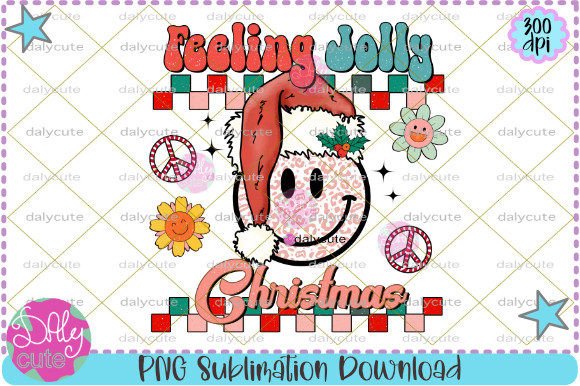
Christmas Greeting Card: A Versatile Graphic Design Asset
Opening the files, the first impression is one of warmth and festive cheer. This Christmas Greeting Card isn't overly ornate; it strikes a balance between celebratory charm and clean composition. The mood it creates is welcoming and joyful, leaning towards a modern, approachable holiday aesthetic. It feels particularly suitable for brands that want to communicate a sense of genuine connection—perfect for lifestyle content creators, small businesses with handmade products, online coaches sending seasonal thank-yous, or digital sellers looking to add a branded touch to their customer communications.
The Emotional Tone: Building Audience Trust Through Seasonal Branding
From a content marketing perspective, the emotional tone here is key. It's festive without being generic, which helps in building a stronger emotional connection with an audience. When a brand uses consistent, quality seasonal visuals, it reinforces audience trust and signals a professional appearance. This design asset supports that by offering a cohesive starting point. For a product creator launching a limited-time holiday offer or a blogger building a winter content kit, this graphic can serve as the visual anchor, ensuring every touchpoint—from an email banner to a Pinterest pin—feels part of a unified, thoughtful campaign.
Integrating the Card into a Real Marketing Project
Imagine a small business preparing a digital campaign for a December product launch. The Christmas Greeting Card becomes more than just a card; it's a versatile graphic design asset. The provided AI and EPS files mean the artwork is fully editable. A brand designer could extract elements to create a complementary product label, integrate motifs into packaging design, or build a suite of social media graphics. The 1920px x 1280px canvas is ideal for blog graphics, website headers, or digital ad visuals, ensuring a clearer visual hierarchy when combined with promotional text.
Practical Performance Across Branding and Marketing Channels
Let's break down how this illustration performs in real situations. For social media graphics—Instagram posts, Facebook ads, Pinterest pins—the composition allows for space to overlay calls-to-action without the design feeling messy. As a hero graphic for a campaign header or landing page, it creates an immediate strong first impression. In printable designs like packaging inserts, event flyers, or merchandise stickers, the vector formats ensure crisp quality. For content marketing assets like lead magnets or media kits, it adds decorative brand elements that elevate the overall feel without distracting from the core information.
Its role in brand identity during the holidays is supportive. It won't replace a logo, but it can become a seasonal accent that strengthens recognition. Think email banners with the card's imagery framing the newsletter content, or Canva templates for a team to create consistent holiday posts. For editorial design in blog posts or digital magazines, it can serve as a stylish sidebar graphic or section divider.
Where This Design Asset Works Best
The Christmas Greeting Card excels as a focal point in medium to large-scale applications. It's ideal for campaign headers, product launch visuals, and promotional banners. Its elements can be isolated to create branded templates for a content bundle or used as social media covers to refresh profiles seasonally. The graphic also works well as a packaging accent on thank-you cards included with orders, directly enhancing customer experience and product presentation.
Navigating Potential Limitations: A Brand Designer's Checklist
However, it's crucial to use this asset carefully in certain contexts. For very formal corporate branding, the style might need adjustment to align with a more minimalist aesthetic. In dense information layouts or text-heavy ads, the detailed elements could compete with the main message if not managed through careful spacing and balance. When used in small mobile graphics, like tiny Instagram story icons, some finer details may become lost; a simplified version might be necessary.
It should also be tested on low-contrast backgrounds to ensure readability. For brands with an overly minimal core identity, this holiday addition should be introduced subtly to avoid visual dissonance.
Essential Practical Notes for Professional Use
Before rolling it out in a campaign, here are my practical brand designer notes. First, test it with your brand color palette. The editable files allow you to recolor elements to ensure visual consistency. Check its usage in black and white or grayscale for any potential print scenarios. Always place it inside real campaign mockups—preview it on mobile screens and as part of an actual email or ad layout.
Test readability in small sizes if you plan to use icons from it. Compare it against competitor visuals to ensure your holiday messaging stands out. Crucially, review how it pairs with your typography. Try it alongside your standard serif font, sans serif font, or even a script font to see if the combination supports a stronger first impression and maintains professional branding.
Finally, always confirm the commercial licensing before using it in paid campaigns, client work, or permanent business branding elements. As a digital product from the creative marketplace, understanding the license ensures you can use this design asset confidently across your commercial design materials.
The Final Assessment: A Tool for More Memorable Campaign Visuals
In summary, this Christmas Greeting Card is a valuable addition to a marketer or creator's toolkit. It provides a foundation for more consistent branding during the hectic holiday season, saving time while improving engagement through cohesive visuals. It supports marketing goals of better product presentation and a more memorable campaign. For the brand owner, blogger, or social media manager, it's not just an illustration; it's a multipurpose graphic design asset that, when applied thoughtfully, can enhance audience perception and convey your brand's seasonal message with clarity and warmth. By focusing on its integration into your specific workflow—whether for digital ads, printable promotions, or editorial graphics—you leverage its potential to create professional, attention-grabbing content that feels authentically yours.