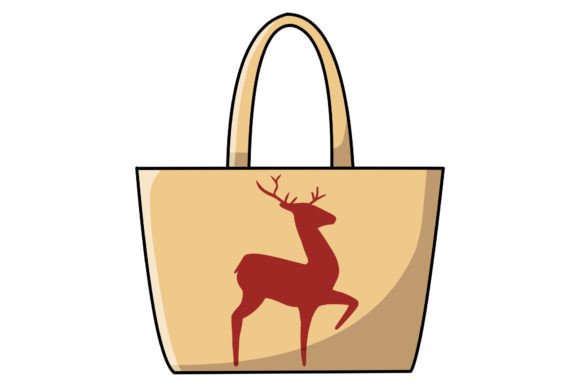
Christmas Bag Deer Vector Illustration: A Designer's Review
When I first opened the Christmas Bag Deer Vector Illustration, my immediate thought was “that’s a sweet gift tote.” The design doesn’t scream holiday; it whispers it. It has a gentle, almost nostalgic mood, with the deer’s simple, friendly posture and the classic gift bag shape. The layout is clean and central, making it an obvious candidate for a single, prominent embroidery placement. The detail level is moderate—enough to give character but not so intricate that it becomes a stitching nightmare. This feels like a design meant for cozy, heartfelt projects rather than loud, commercial holiday gear.
Where This Deer Finds Its Home
This illustration’s personality points directly toward personal gifts and boutique-quality merchandise. In my mind, I’m already picturing it stitched onto a soft cotton tote bag for a friend’s Christmas present, or as a subtle accent on a linen pillow cover in a holiday-themed bedroom. For small business owners, especially Etsy sellers or craft fair vendors, it would be perfect for limited-run holiday collections—perhaps a series of embroidered kitchen towels or a special baby blanket for a nursery’s first Christmas. The theme is universal but the execution feels special, which is exactly what lifts a handmade product above generic stock.
Thinking Through the Stitch
As an embroidery file, this vector design’s clarity is its biggest strength. The bold outlines and distinct shapes should translate beautifully into machine embroidery, with clear separations for satin stitch borders and fill stitch areas for the deer and bag. I’d instinctively choose a slightly textured fabric for it—a canvas tote, a fleece baby onesie, or a quilted pillow cover—to give the finished product a tactile, premium feel. On a simple sweatshirt, it would become a cherished, yearly-wear item rather than a flashy seasonal logo.
However, the design’s visual appeal depends entirely on thoughtful execution. On dark fabric, you’d need to plan thread color contrast carefully; a white or cream base for the bag and deer might require a light-colored fabric or a very bold, bright thread palette to pop. The design’s value isn’t just in the digital file; it’s in how you present it. A neatly embroidered version on high-quality material builds customer trust and reinforces your brand’s attention to detail.
Spots Where Caution is Needed
While the design is charming, its application needs a practical eye. Because it has some enclosed areas and a central focal point, I’d be cautious about using it on very small hoop sizes. Trying to shrink it down for a cap or a tiny patch might compress the details, making the deer’s features and the bag’s shape lose clarity. Similarly, on stretchy or thin fabric like a t-shirt, stitch density and stabilizer choice become critical to prevent puckering and maintain that clean, illustrated look.
It’s also a design that benefits from a flat, stable surface. Embroidering it on a curved surface like a baseball cap’s front panel could distort the pleasing symmetry of the bag. For products destined for frequent washing—like aprons or tea towels—I’d recommend a robust stabilizer and quality thread to ensure the design holds its visual personality over time, which directly impacts giftability and customer satisfaction.
The Professional’s Pre-Stitch Checklist
Before I’d ever load this into my machine for a real project, my process would be straightforward. First, I’d test it on scrap fabric identical to my final product. This isn’t just about checking machine compatibility; it’s about seeing how the thread colors interact with the material and whether the stitch density feels right. I’d run a simple black and white mockup to assess the pure shape integrity without color distraction.
Then, I’d confirm the practicalities. What’s the ideal hoop size for maintaining detail? Does the design have any tiny corners or potential satin stitch bottlenecks that need adjustment? Crucially, for anyone using this for commercial embroidery or selling finished products, I’d verify the licensing terms of the digital embroidery file. The product description states it’s easy to edit and use in your designs, but clear understanding is necessary before selling handmade items or digital products derived from it.
From Digital Asset to Finished Product
In the end, the Christmas Bag Deer Vector Illustration is more than a graphic; it’s a potential experience. When stitched well, it becomes a recognizable, professional-looking element on a personalized gift or small shop merchandise. Its strength lies in its versatility within the holiday niche—it could grace a wedding gift for a December celebration, a custom apparel item for a family photo, or a simple decorative patch on a blanket.
The key to maximizing its impact is matching the design’s gentle mood with an appropriate product. It won’t work for everything, but where it fits—like on a high-quality tote bag or a special baby item—it elevates the entire project. It encourages a focus on craftsmanship, which in turn engages buyers looking for something beyond mass-produced. For embroidery designers and creative entrepreneurs, this kind of design is a solid foundation: a clear, editable vector that lets your skill and product choice tell the final, beautiful story.